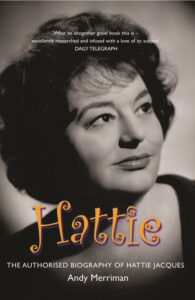
The cover of Hattie Jacques’ authorised biography says the ‘formidable, frumpy galleon-in-full-sail screen persona’ was one of Britain’s comedy greats and in its pages you discover her circle included Brian Rix, singer Pat Bredin and Ian Carmichael, the famous funny actor with the famous surname but all hail from Hull.
‘Carmichael’ is a name resonant to anyone who knows the city. Although the son of butcher-shop traders, his relations owned Carmichaels, a department store open until the Eighties and known as the ‘Harrods of the North.’
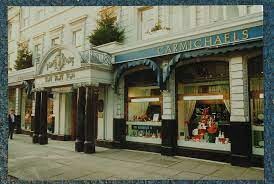
Its creaking cabinets and deferential service could have been written into a sit-com had Hull not thought of it as fondly as a neighbour or an elderly, idiosyncratic friend; the Carmichael’s lineage is as well-known as the city itself.
British entertainment straight after the war was characterised by names like Jacques and Carmichael acting in places like the Players theatre London or on radio, the national station in the days before television was in everyone’s home. Film was the way people got to know them and cinemas were everywhere in Hull.
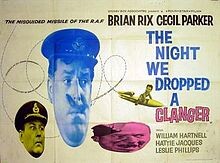
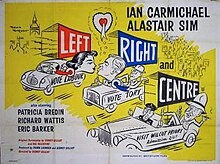
During this era the city produced many high profile performers. Son of shipping owners J.R. Rix and Sons, Brian Rix acted with Hattie in the 1959 film The Night We Dropped A Clanger, Pat Bredin representing Britain in the Eurovision Song Contest of 1957 then enjoying a comedy with Carmichael in the film Left, Right and Centre in 1959.
The era was a melting-pot of British talent who often mimicked or played on British quirks and through them you see the world as it was back then. Who can forget Sid James, Thora Hird, Sheila Hancock or Hattie Jacques’ friend Eric Sykes, all of whom created light entertainment and comedy as well as graced the boards throughout those years.
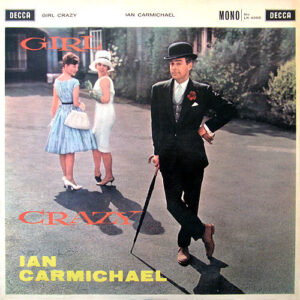
Carmichael had a good voice and sung on stage as Hattie waited for her cue and it was the Players that gave him his first break after training at RADA before the war. Around her were the names we grew up with and her biography takes us beyond ‘Carry-On Matron’ showing her to not only be talented and well-connected but also a bon-viveur.
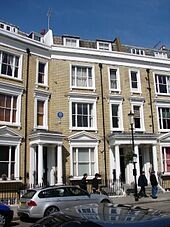
In many ways it is a story about other people. Even in the Fifties she was an earth-mother whose way of life was more like the communes of the Sixties than a person living in a big house in the centre of London worth millions in the present-day.
Those she acted with became friends with the exception of Norman Wisdom and her Christmas Days were legendary. She collected people rather like Mira Johnson did and took them under her wing.
Like the comedic writing prevailing at the time, it was Britain that gave each their inspiration. Quirky characters mocking the working, middle or upper classes in each of its regions, many seemed to be created for them they did them so well and were so funny about it too.
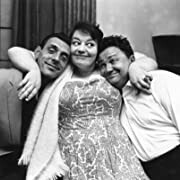
Actress-entertainers like Mira Johnson played off what she saw around her, who she knew and what she observed. Hull is a city of humour and its legacy lives on in those who were born there, in our memories as well as on our TV screens and in shows.
Reading Jacques’ Biography is a personal, intimate portrait but one full of passion and joie-de-vivre, a jolly fine read all round.
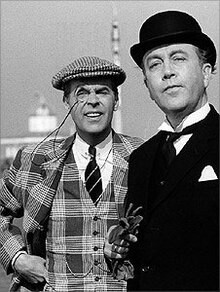
© Carrie Henderson. 2022.