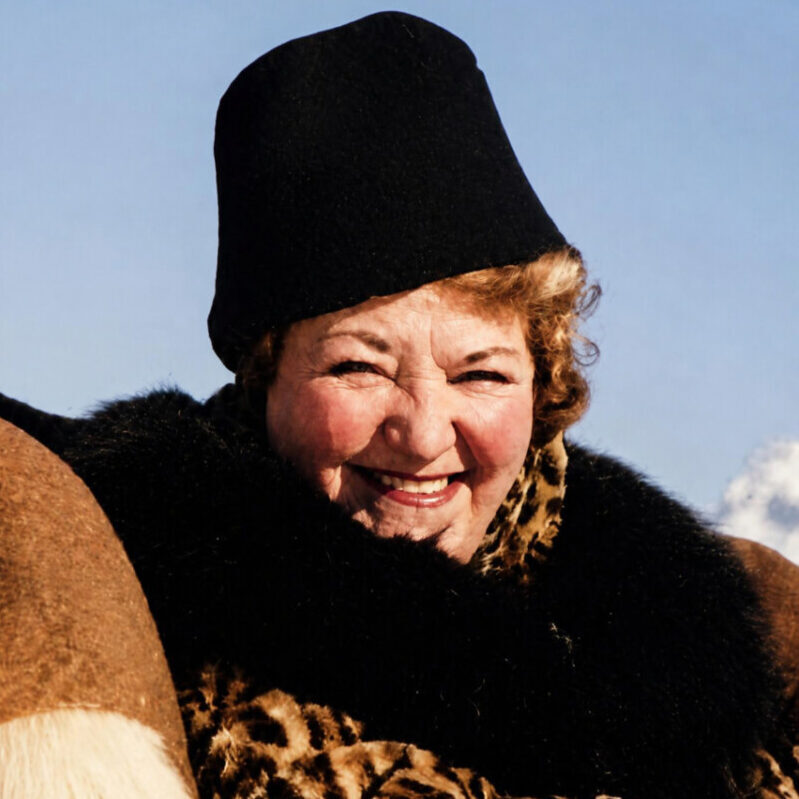
Many Hull children were left orphaned by sickness or the sea and the city set up children’s homes to house them.
North of Newland Park where the Mountains had their home ran Cottingham Road. Almost directly above their crescent, a little to the right, in the late 19th century building work was taking place, made possible by generous benefactors in the City.

The idea was simple. Proper housing should be offered to children orphaned by the sea built by local donations. Moneys collected would be acknowledged by naming each of the buildings in accordance with the people who gave money to the charity for that purpose.
The sanatorium was named after Joseph Rank, mill owner and baker, Frances and James Reckitt had a house each, residents would know that Reckitt and Sons made household goods in a famous local factory.
The textile mill-owner Titus Salt and other local dignitaries also made it possible; houses built by the generosity of Dr Lee, Buckston Browne and Hannah Pickard, and as they rose, they took on the look of a village with a bandstand, laundry, baths and a school to educate the children as well.
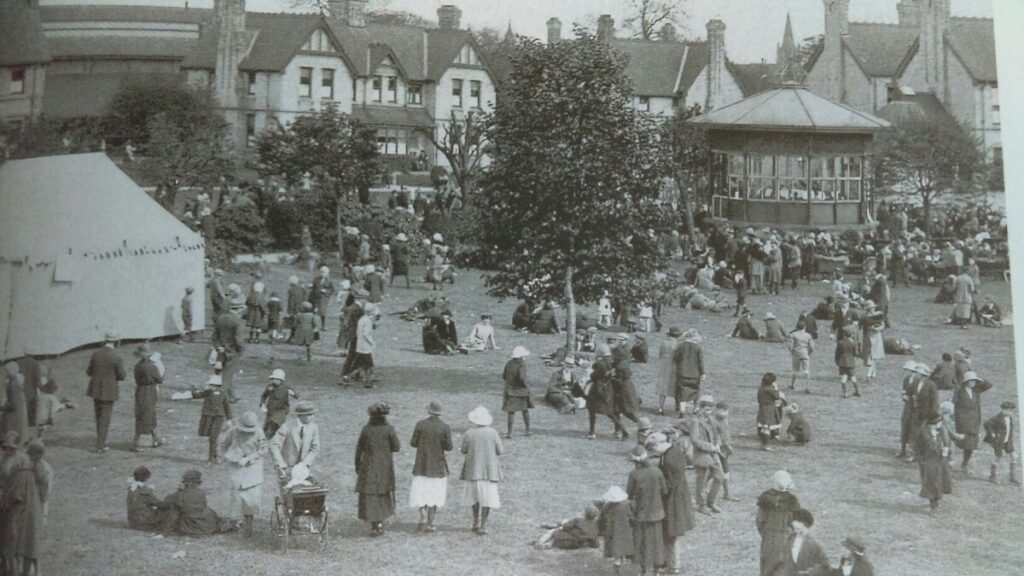
It was a huge success, children in uniforms and aprons given three square meals a day and a roof over their heads as well as the attention of older carers. Right up until the Nineteen Fifties and Sixties, carnival days held which locals attended in their droves enjoying the festival atmosphere and the chance to support the Homes by buying cakes and goodies.
Newland was opened in 1897 and still exists in its place between Aukland Avenue and Cottingham Road although today the charity now supports seafarers within their own homes. It was not the only Orphanage in the city, many children lost their mothers and fathers and needed housing.
Newland was not the only orphan home in Hull nor one that Mira raised money’s towards. The grand Hesslewood Hall was the location of the Seaman’s and General Orphanage after 1927 but it started on Spring Bank, a road that runs west of Hull into the City centre where the West End Studio was also home.
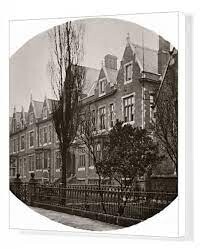
Also funded by a wealthy local family, the Orphanage was built by the Wilsons of Ellerman’s Wilson shipping line, who lived at Tranby Croft. All around Hull collection tins were full of pennies and donations and until 1927 the sight of children walking along the long road to and from shops and Botanic Gardens was as familiar as the ‘ding ding’ of trams.
The building was pulled down in the 1980s and the land that once housed so many children lies desolate, an empty reminder of the philanthropy that buoyed the city.
Although in the 1960s conditions for mariners became more safe following the Headscarf Protest, Hull has not forgotten its history and its museums and archives hold records of the thousands of children and young people who were helped along the way.