Caused by a highly contagious bacteria inhaled in the air, Tuberculosis, also known as Consumption, was a significant public health issue until the invention of the BGC vaccine which first appeared in 1921.
It became an important issue of public health in the city of Hull, carried by animals as well as humans and affected the lives and livelihoods of farmers all over East Riding as well as the general population.
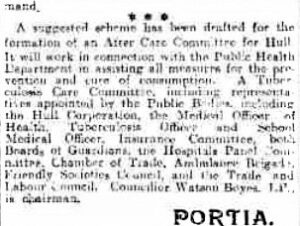
In September 1915 a Tuberculosis After Care Committee was established that linked with other public bodies and charitable organisations like the Board of Guardians, and the first meeting was held in July 1916.
Reports of the claims made on the Committee make for uncomfortable reading.
Men battling the ‘complaint’ in ‘squalid surroundings’ were moved into better accommodation that allowed for windows to be opened for the first time.
A mother slept in the same bed as her children having lost one to the disease already, others infected and at risk of infecting her unless bedding was found for separate sleeping arrangements.
Both were helped by the Committee’s efforts and to pay for it, fundraising became a local concern.
A year later the list of complaints was balanced by successes. Once a person is no longer infectious, they were advised to work outside – the best type for recovery. Hull “well to the front in this matter” in establishing Boards nationally, they said.
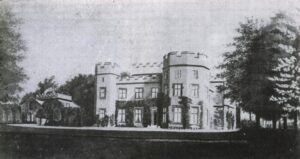
A sanatorium was established in Cottingham village between 1913 and 1916, about 4 miles away from central Hull. Built on the site of Cottingham Castle it was also a success, patients left having recovered from the disease as well as putting on weight, a positive sign.
Nurses visited patients in their homes and emphasised the importance of fresh air. Young girls could work in people’s gardens one of the suggestions, ‘we assure you we wouldn’t place someone with you if they posed an infection risk.’
In the midst of the Great War healthfulness was vital and by 1930 once again it was noted that the risk of disease was high in areas regarded as slums. The Sanatorium was considered ‘ideal’ surroundings but progress was put to risk by the housing they returned to.
“Money is urgently needed, for although they have a State subsidy, it is not enough and it is to the public they must appeal and so a “day” has been announced to raise funds.”
The lowest year of donations was in 1928, by 1930 risen again to previous levels thanks to people like Mira Johnson, local societies and firms. That year £481 was spent on milk, £127 on groceries helping 189 new cases in their move from the Sanatorium to home.
The Committee produced its 34th report in 1950 saying that since the inception of the National Health service there was a danger that voluntary work wouldn’t happen any longer but they still considered it vital as 3,901 males and 1082 children had been helped since it started in the midst of the Great War.
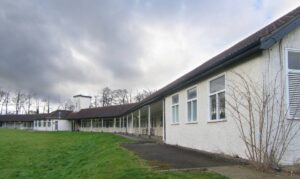
Tuberculosis remained a problem until well into the 1940s when patients were still admitted for treatment and lost their lives. In 1963 160 beds remained before it was demolished to make Castle Hill Hospital which opened in 2008.
Thankfully TB has been almost eradicated in Great Britain thanks to screening and the BCG vaccination but a hundred years ago, it was still a very real threat.