Hull’s Theatres, Cinemas & Moving Images
A city built for entertainment
Hull has a remarkable theatrical and cinematic history. From music hall and variety to repertory theatre, silent films and television, generations of performers and audiences made entertainment part of the city’s character.
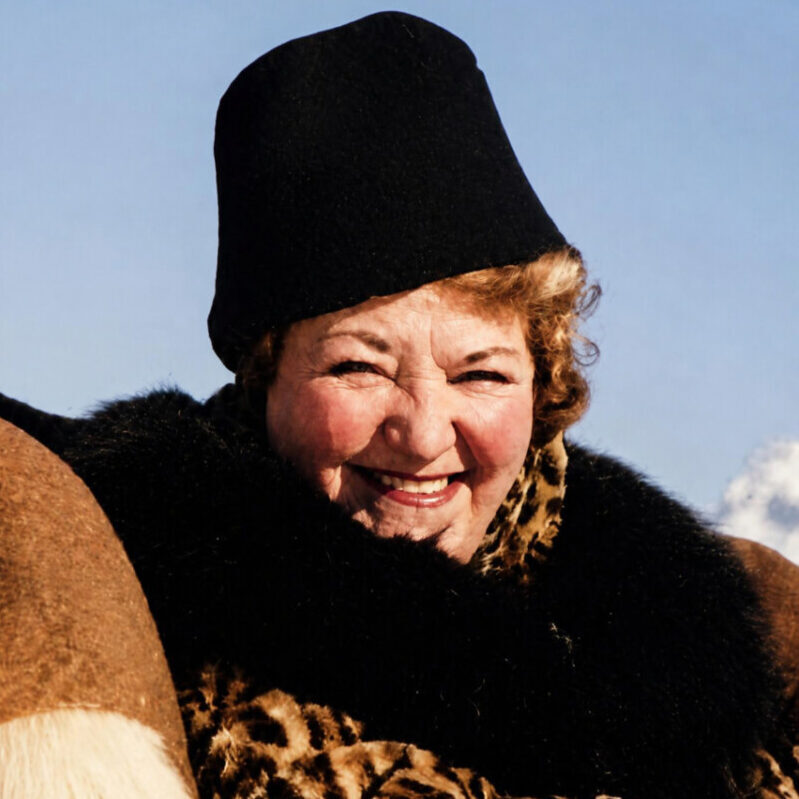
Miriam Bibbero Johnson was part of this vibrant theatrical world. The programmes, photographs and artefacts collected here reveal not only the productions themselves, but the actors, musicians, promoters, businesses and families who helped make Hull an entertainment city.
Theatre in Hull
One of the most influential figures was William Morton, a major Hull theatre promoter who embraced both live entertainment and the emerging world of cinema.
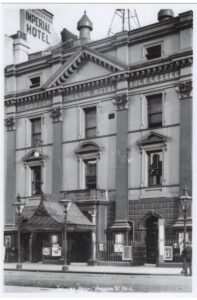
The Theatre Royal on Paragon Street, opened in 1871, presented variety and vaudeville under Morton’s ownership. It became the Tivoli in 1912, continued as a variety theatre until 1954 and was demolished in 1959.
Morton was also associated with Hull’s Alexandra Theatre, Grand Theatre and Assembly Rooms. The Assembly Rooms became the Little Theatre in 1923, providing a home for Hull’s repertory movement.
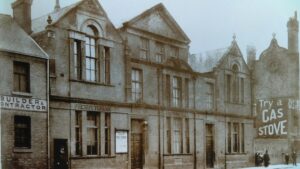
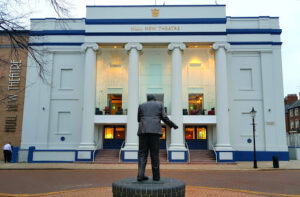
The Hull ‘Rep’ began its first season at the Little Theatre in 1924. Plans announced in 1928 led to the purchase and redevelopment of adjoining properties on Kingston Square.
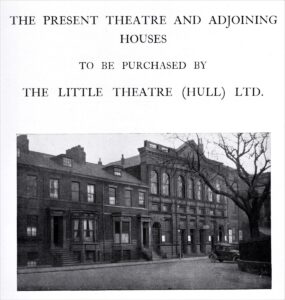
The enlarged theatre opened in 1929, survived a fire and was remodelled again in 1939. It eventually became the New Theatre, which remains part of Hull’s theatrical landscape today.
Meanwhile, cinema was changing the entertainment industry. Falling theatre audiences, taxation and the growing popularity of picture houses transformed Hull’s theatres during the 1920s and 1930s. The Alexandra briefly closed before reopening as a variety theatre in 1935, but was destroyed during the Hull Blitz in 1941.
The programmes preserved here offer a fascinating glimpse into this world — including local advertisements, fashions, performers and businesses.
The rise of cinema
Moving pictures arrived in Hull before the great age of the cinema. William Morton had already shown “Motion Pictures” at the Theatre Royal in 1898. Hull’s first purpose-built cinema followed in 1910 on George Street.
By the 1910s and 1920s, picture houses were appearing across the city. Silent-film stars such as Charlie Chaplin and Rudolph Valentino became international names, while young Hull performers could dream of Hollywood.
Mira’s story connects directly with this changing world. Her theatrical circle included performers such as Annie Croft, while her pupil Dorothy Mackaill went on to become a Hollywood actress.
Hull’s cinemas
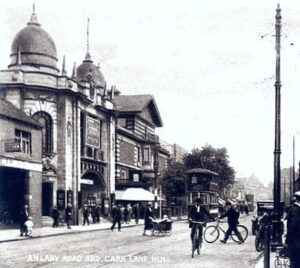
The Tower Cinema on Anlaby Road, built in 1914 near Paragon Station, survives today as a Grade II listed building.
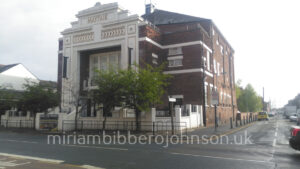
The Mayfair Cinema on Beverley Road was another landmark of Hull’s cinema age, situated close to the Baths and the city’s busy social life.
Explore the collection
Browse the programmes, photographs and stories to discover Hull’s theatres, cinemas and performers — and the people who brought entertainment to the city.
Lights down. The orchestra tunes up. The curtain rises. Let the story begin…
Results
Woo Hoo you’ve passed!
Practice makes perfect. Read the articles and try again!


#1. Where was the Little Theatre
#2. Who was Hull’s biggest promoter
#3. The Hull ‘Rep had their first season in
#4. What was the popular theatrical entertainment in the Twenties
#5. What was the name of Annie Croft’s 1913 show
#6. How much did the Barber of Seville programme cost
#7. What’s the second song in the 1st act of The Mikado
#8. Who was the organising secretary of the Hull Rep in 1927 to 1928
#9. Which theatre was destroyed in the Hull Blitz
#10. Who was the manager of the New Theatre in 1939