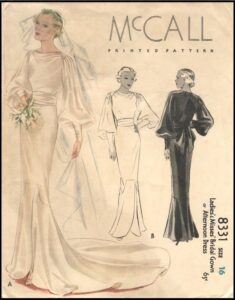
Having skirt lengths at the knee in the late Twenties didn’t suit everyone and by 1931 waists had returned to their natural place. Soon skirts dropped to the mid-calf and the boxy, androgynous look had changed, by early 1930 all fashionable women had adopted the newest Parisian trend.
As if bored of the excesses of the Twenties fashion embraced this new direction. Lengthening every line on a woman’s body, skirts finished at a place that allowed for the ankles and part of the calves to be seen above shoes with higher heels than had been worn in a decade.
_____
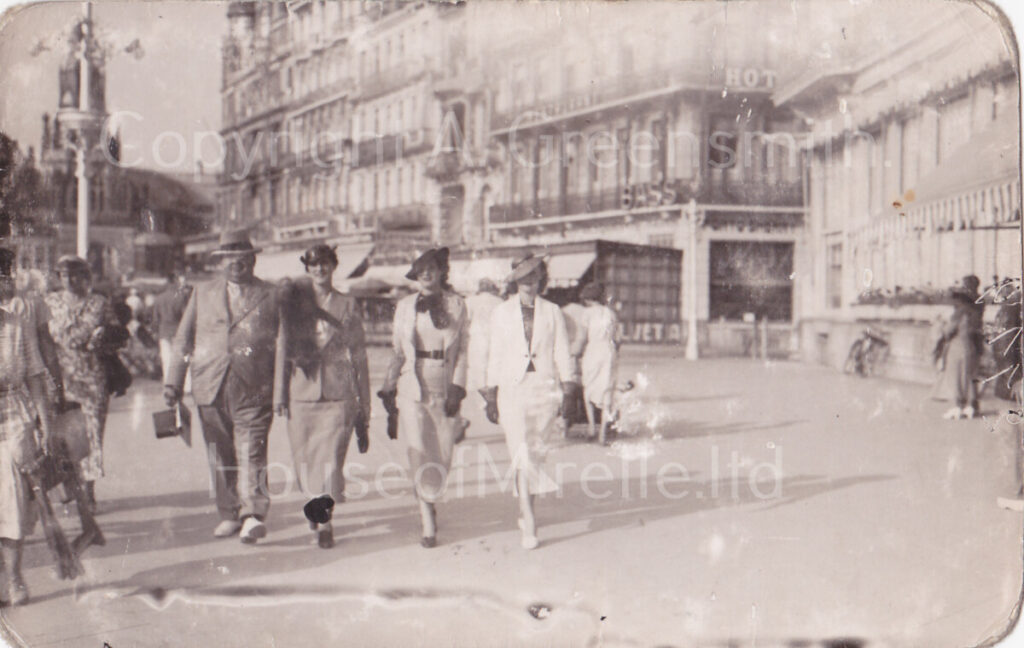
The new look arrived in Hull by 23rd September 1930, Elizabeth Edgar for the Hull Daily Mail writing, “The difference may be subtle but it certainly exists. It lies in the cut and also, of course, they are longer. We must all own to a waist now!”
When Dorothy Mackaill arrived in 1930 hers had already found its way back towards its natural place, although the cloche hat she wore to wave at her adoring public was very much of the decade past, by 1932 almost everyone had thrown them away.
This was the era of dressmakers and tailoring. There was still a division between those who bought Ready-to-Wear and those who commissioned dressmakers to design and construct them. Not only a means of employment, needlework was a national pastime and it was usual for women to make clothes either by sewing or knitting them themselves.
Needlework skills were ubiquitous. Middle and upper class women employed maids who could mend and do alterations as well as dressmakers who could measure them and then design and make an outfit especially. Sewing was a means of employment and a pastime as our ‘Needlewoman’ and ‘Weldon’s’ magazines attest.
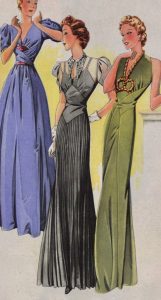
The way designers used soft fabrics; crepes, silks and satins underwent a revolution and were soon worn at glamourous events and on cinema screens in films. Turning them diagonally against the usual direction, cutting them on the bias meant they clung to the body accentuating the fabric in a liquid-like way.
The bias-cut was to influence fashion throughout the decade until its last couple of years, particularly for evening wear. The prevailing silhouette was long and lanky with trim bust and hips, tall ladies with slim torsos and long legs favoured by the trend. ‘Modern Woman’ magazine from 1935 shows the influence was everywhere topped with arching eyebrows and the ‘Marcel Wave’ – short wavy hair.
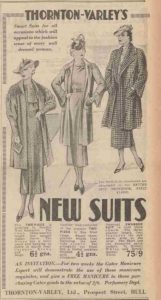
The mid-Thirties was the pinnacle of the classic look and line. Here Thornton Varley’s department store advertises daywear, showing the big bows at the neckline and feminine fabrics cut with inserted panels in the skirt that flared, called Godets.
… and what of the cloche hat that typified the Twenties?
It had been replaced by the side-tipping wide-brimmed versions you see here.
Slanting over one eye, trilbies and vagabonds, cartwheels and bowlers, all finished an outfit that along with gloves, shoes and a matching bag were what made women well-dressed.
Fabrics took on the tones of an Impressionist portrait: sunset yellows, blush pinks and the blues of summertime whilst in the evening women adopted the high sheen of gilded, metallic shades, gold and silver fabrics called Lamé.
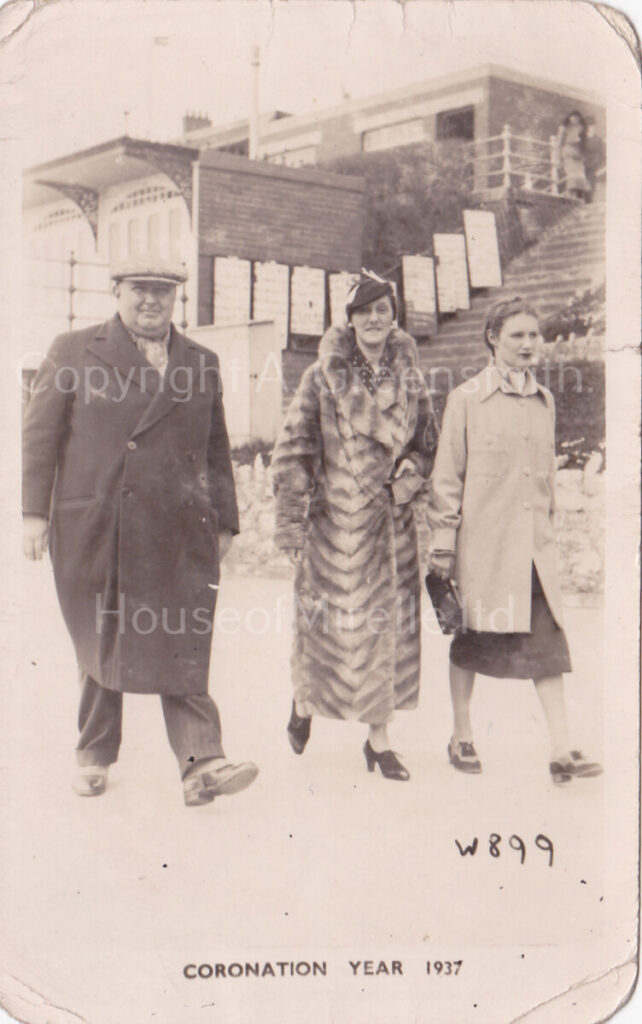
But by 1938 fashion was again changing. Harking back to the shorter skirts and practical daywear of the Twenties, brightly coloured floral fabrics favoured a more natural look, the uniforms that menfolk were adopting mirrored in the shoulders and upright cuts of skirt suits – called costumes – from woollens and tweeds.
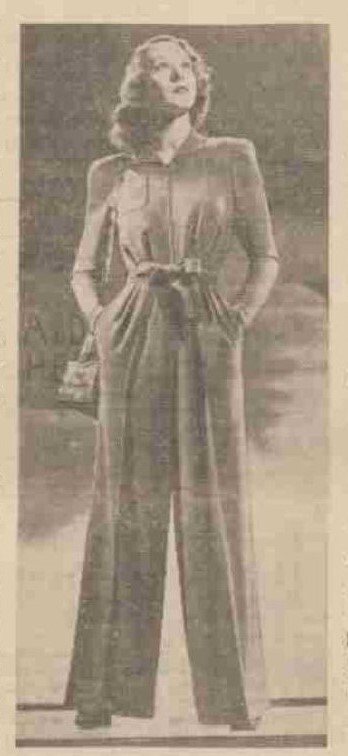
They knew that war was coming and even though they tried to block Hitler’s progress on 3rd September 1939 war was declared. Fashion became a means of survival, by 23rd September the British Brand Spectator Sports turned its attention away from skirt suits and finely tuned tailoring to advertise Winston Churchill’s invention, the ‘Siren Suit’, named after their warning wails.
War would change fashion not only during 1939-1945, but it changed it forever. Afterwards clothing and clothes-making would never be the same as the way fashion worked before the Forties decade.
Want to know more about Mira’s other career? Watch the House of Mirelle for free on YouTube
Test Your Knowledge
Woo Hoo! You’ve passed. Some questions aren’t right. Read the article and try again.Results


#1. What type of fabric cutting created the look of the decade
#2. What phrase described clothes bought that were already made
#3. What sort of tasks did dressmakers do
#4. What was the fashionable silhouette
#5. How was it fashionable to wear a hat
#6. What did evening gowns look like
#7. What colours were fashionable for daywear
#8. What was the name given to metallic fabrics
#9. What was the name for a woman’s skirt suit
#10. What suit did Winston Churchill invent