By the beginning of 1939 the country was mobilising for war, men being called up and women starting to don uniforms in voluntary positions throughout Hull and the surrounds.

Around Hull the landscape changed, windows taped in cross-cross patterns protecting them from shattering, adding black curtains to ensure no light would escape.
Opposite the Infirmary was the entrance to Albion Street, on one side the library and St. Andrew’s Church then the Church Institute, a box-like building by the red and white striped bricks.
On the other was the Congregational Church, a stone building with 6 Doric columns along the front, as proud as the Royal Institution on the other side of the Street.

The city was ready for attack. Half way down the Street a brick shelter had been built, the nearest for the people working along Albion and that side of Prospect Street.
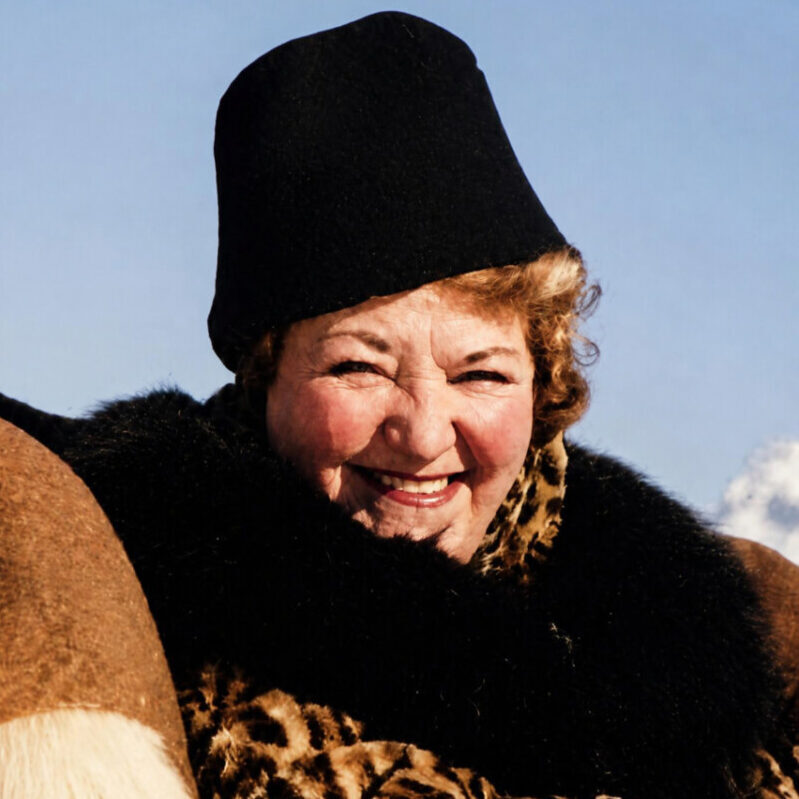
It stood, as if squatting temporarily, ignored by the woman walking at twenty to eight, fur wrapped round their collars barely giving it a glance as they talked and chatted.
Edward Wilkinson estate agents and the Church Institute both looked on as if ‘business as usual’ was the order of the day.

By 1941 Hull knew what the Hun had planned when terror rained from the sky. The low drone of hundreds of aircraft, picked out by flashes of searchlights dropped bomb after bomb after bomb over the city on the nights of 5th to 9th May 1941.

Writing the front page of the Daily Mail headline, journalists knew that they were limited in what they could say about their ‘North East Coast Town.’
The city centre lay in ruins and by some miracle they counted what remained: City Hall, Dock Offices, Queen Victoria statue and the Ferens Gallery.
After the Prudential tower toppled, the last building and the confidence that built it seemed to be erased permanently, even Powolny’s restaurant didn’t escape.
Hull wouldn’t see the barrage of destruction in May 1941 again but its effects were immediate, cutting ties with its past for many settings familiar to Mira and her family.
Pointing into City Square its remaining buildings stood amongst rubble, remnants of the old life before World War II and the new city that would be on its way.
______
Test your knowledge….
How many buildings from 1939 stand on Albion Street today?